☀️ Gibraltar heat warning — stay safe on the Rock
Summer temperatures regularly exceed 30°C with high humidity. Follow local advice, stay cool and hydrated, carry water (refill free at Casemates Square), avoid the Upper Rock between 12:00–16:00, and use sun protection (hat, sunglasses, SPF 30+). If you feel dizzy or stop sweating, seek shade and fluids immediately.
Full guide: How to cool down in Gibraltar →Key takeaways
- 1.The Iconic Symbol of the Rock The flag of Gibraltar is more than just a piece of cloth; it is a profound declaration of identity, sovereignty, and resilience.
- 2.Featuring a white upper two-thirds and a red lower third, the flag is dominated by a red castle with a golden key hanging from its centre.
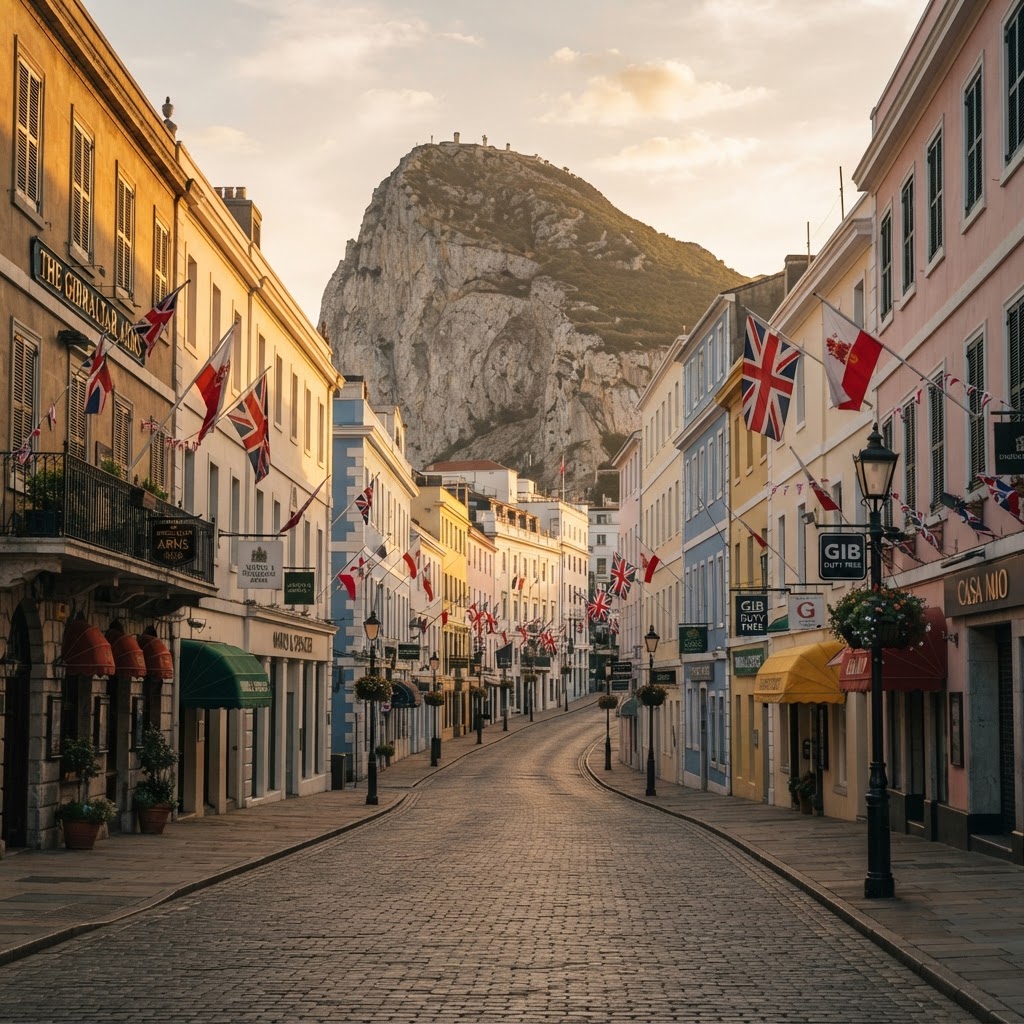
- 3.Seen flying proudly above Casemates Square and throughout the residential areas of the Upper Rock, this design tells the story of Gibraltar as a strategic fortress throughout the centuries.
The Iconic Symbol of the Rock
The flag of Gibraltar is more than just a piece of cloth; it is a profound declaration of identity, sovereignty, and resilience. Featuring a white upper two-thirds and a red lower third, the flag is dominated by a red castle with a golden key hanging from its centre. Seen flying proudly above Casemates Square and throughout the residential areas of the Upper Rock, this design tells the story of Gibraltar as a strategic fortress throughout the centuries.
The Origins of the Heraldry
The flag is based on the coat of arms granted to the City of Gibraltar by Queen Isabella I of Castile on July 10, 1502. The design represents the Rock itself, symbolised by the castle, and the vital role it plays as the 'Key to the Mediterranean.' The gold key is particularly significant, representing the control Gibraltar exerts over the narrow Strait that separates Europe from Africa.
Evolution from Spanish to British Identity
Following the capture of Gibraltar by Anglo-Dutch forces in 1704, the symbols remained deeply embedded in the local consciousness. While the Union Flag is frequently displayed alongside it, the Gibraltar flag remains the primary emblem of the people. It was officially adopted in 1982, solidifying the Gibraltarian sense of self-governance and distinct history separate from both Spain and the United Kingdom.
Symbolism in the Architecture
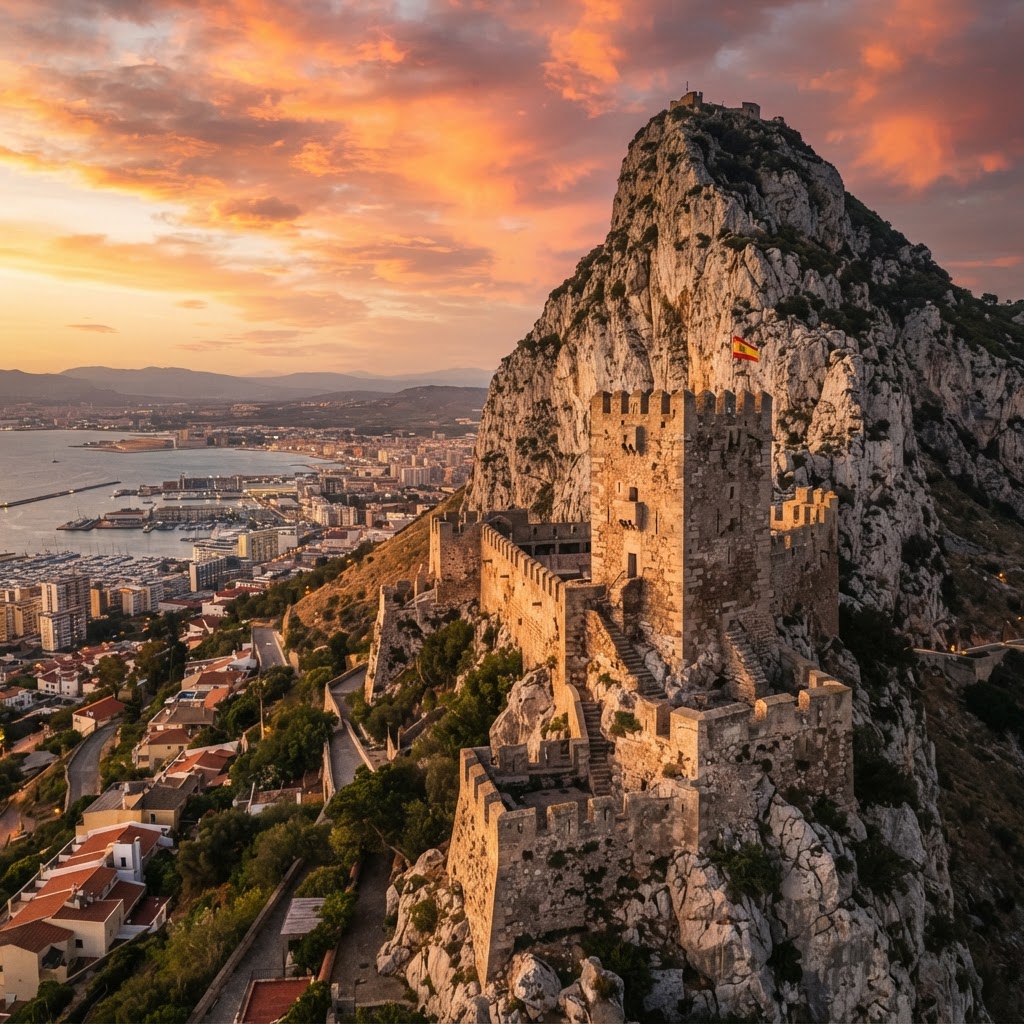
If you walk down Main Street, you will spot the coat of arms carved into stone portals and featured on public buildings. The red castle is not merely a heraldic flourish but a tribute to the Moorish and Spanish fortifications that define the landscape. Many visitors find the flag's iconography echoed in the architecture of the Moorish Castle, which towers over the town centre, reminding us that the fortress is the literal foundation of the national identity.
The Flag Today
Today, the red and white flag is a fixture of public life. You will see it draped from balconies on the South District, fluttering on the masts of yachts in Ocean Village, and featured prominently at government offices. It serves as a rallying point for the community, especially during moments of political tension or national celebration, acting as a beacon of unity for the 34,000 residents living under the shadow of the Rock.
Practical Tips
- Look for the flag’s design on the official Government of Gibraltar stationery and public signage.
- The best place to buy a high-quality flag souvenir is on Main Street; prices usually range from £5 to £15.
- On the 10th of September, the flag is virtually everywhere as the territory celebrates its heritage.
- Respect local protocol by not flying the flag in a state of disrepair.
Quick FAQ
What does the key represent?
The key represents Gibraltar's strategic position as the 'Key to the Mediterranean' controlling the passage between the Atlantic and the sea.
When was the flag officially adopted?
The flag was officially adopted as the territorial flag on November 8, 1982.
Enjoying this guide?
Get the best of Gibraltar in your inbox each week — tips, new spots, and events. No spam, unsubscribe anytime.
Quick answers
Practical TipsLook for the flag’s design on the official Government of Gibraltar stationery and public signage.The best place to buy a high-quality flag souvenir is on Main Street; prices usually range from £5 to £15.On the 10th of September, the flag is virtually everywhere as the territory celebrates its heritage.Respect local protocol by not flying the flag in a state of disrepair.Quick FAQWhat does the key represent?▼
The key represents Gibraltar's strategic position as the 'Key to the Mediterranean' controlling the passage between the Atlantic and the sea.
When was the flag officially adopted?▼
The flag was officially adopted as the territorial flag on November 8, 1982.
Explore more on Gibraltar Unlocked
Daniel Toledo
FounderGibraltar-based writer and founder of Gibraltar Unlocked. Covering local food, travel, history and life on the Rock since 2023. Also builds web apps at instatales.ai.