☀️ Gibraltar heat warning — stay safe on the Rock
Summer temperatures regularly exceed 30°C with high humidity. Follow local advice, stay cool and hydrated, carry water (refill free at Casemates Square), avoid the Upper Rock between 12:00–16:00, and use sun protection (hat, sunglasses, SPF 30+). If you feel dizzy or stop sweating, seek shade and fluids immediately.
Full guide: How to cool down in Gibraltar →Key takeaways
- 1.Defending the Rock The Great Siege of Gibraltar stands as one of the most remarkable defensive feats in military history.
- 2.Between 1779 and 1783, Spanish and French forces attempted to starve the British garrison into submission.
- 3.The endurance of the soldiers and the innovative engineering used during this four-year blockade transformed the Rock into a legend of tactical resilience.
Defending the Rock
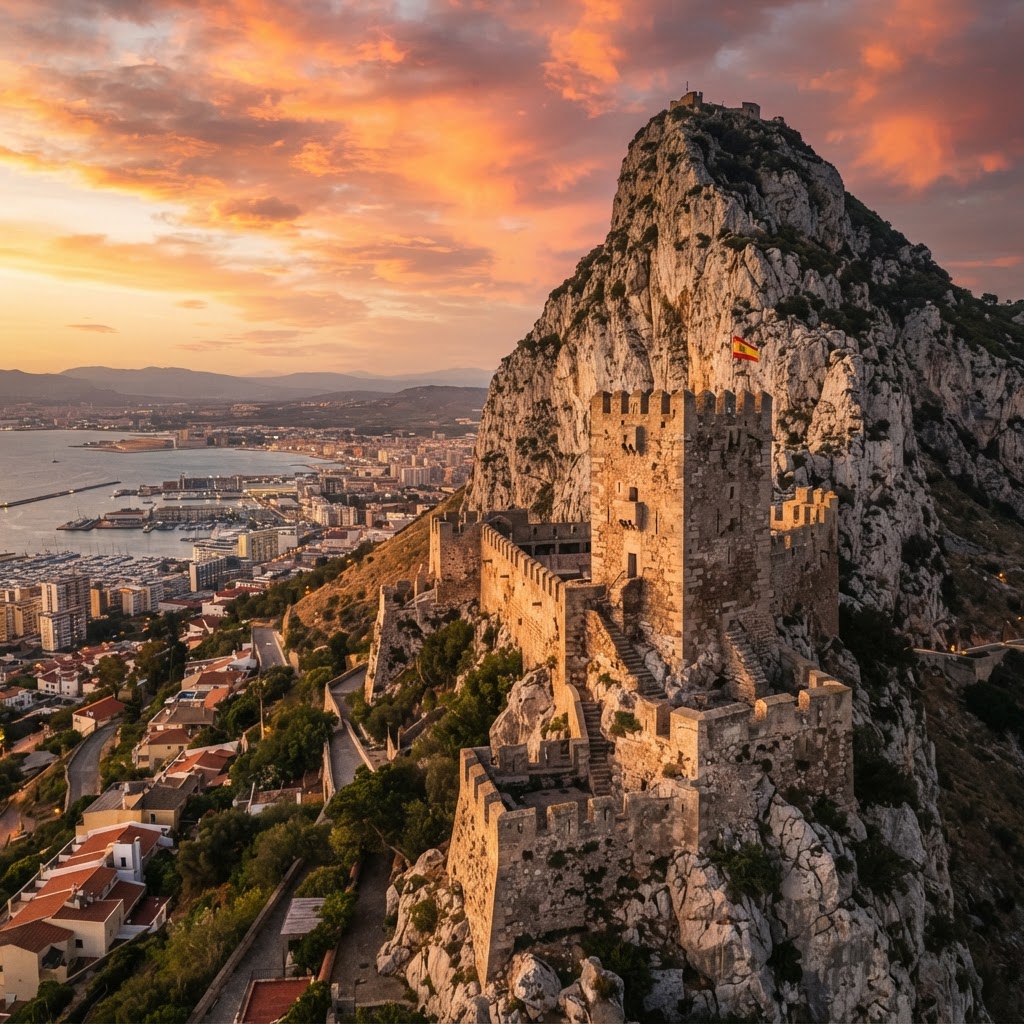
The Great Siege of Gibraltar stands as one of the most remarkable defensive feats in military history. Between 1779 and 1783, Spanish and French forces attempted to starve the British garrison into submission. The endurance of the soldiers and the innovative engineering used during this four-year blockade transformed the Rock into a legend of tactical resilience.
The Blockade and Starvation
Early in the siege, supplies were cut off, and the British garrison faced near-starvation. The local price of goods skyrocketed, and scurvy became a constant threat. The soldiers survived on meager rations, often resorting to eating wild herbs and salted meat until relief expeditions finally broke the blockade.
The Birth of the Great Siege Tunnels
Faced with the overwhelming firepower of the Spanish batteries, the British defenders, led by Sergeant-Major Henry Ince, had a revolutionary idea: dig tunnels through the Rock. Using only hand tools and gunpowder, they created galleries for cannons that could fire down on the enemy. These tunnels, which you can visit today, were instrumental in breaking the morale of the besieging forces.
The Defeat of the Floating Batteries
In September 1782, the Spanish launched their 'floating batteries'—massive, fireproofed ships designed to bombard the city at point-blank range. British defenders used red-hot cannonballs to set these floating fortresses ablaze, a brilliant military maneuver that ultimately doomed the French and Spanish efforts to retake the territory.
Legacy and Restoration
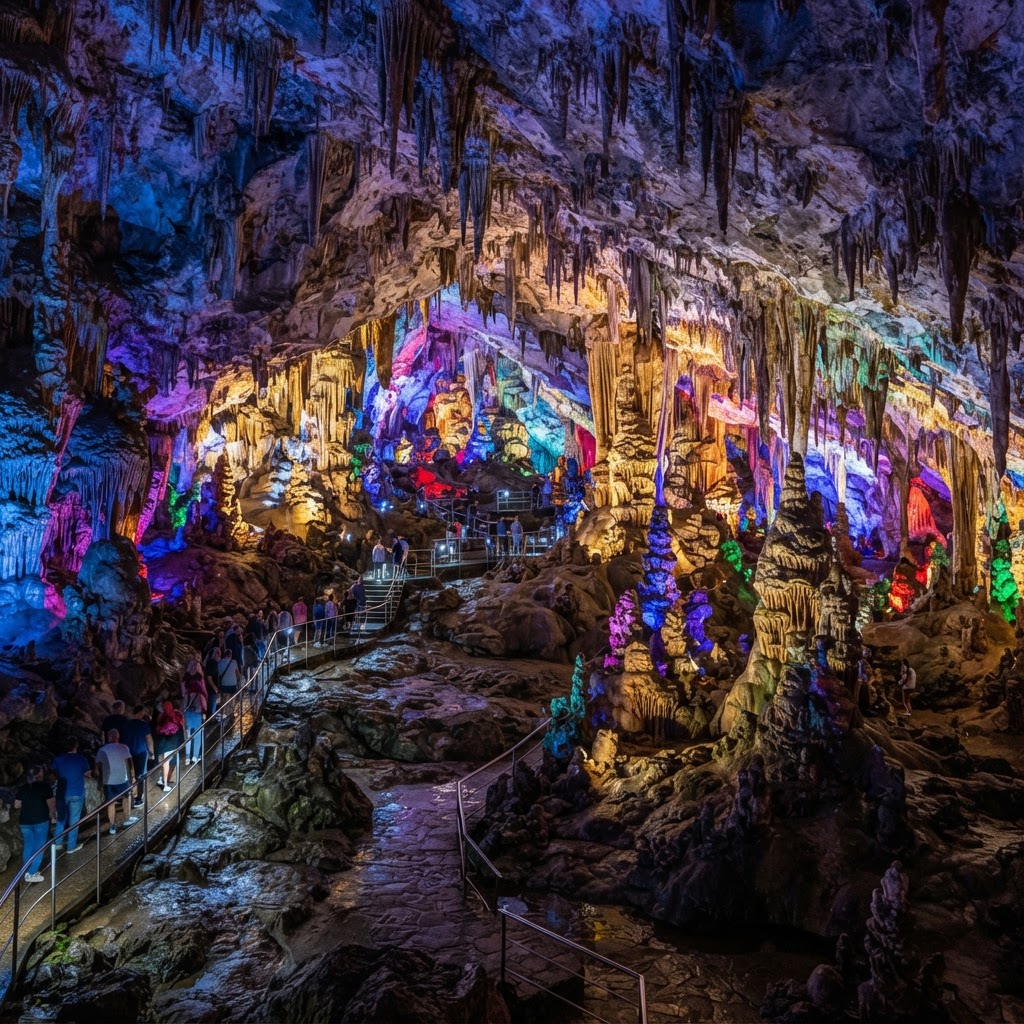
Today, the Great Siege Tunnels are one of Gibraltar's most visited attractions. A walk through these dusty, stone-carved halls offers a haunting look at how eighteenth-century soldiers defended their post. The preservation work by the Gibraltar Heritage Trust ensures that the history of this epic struggle remains alive for all who visit.
Practical Tips
- The Great Siege Tunnels are located within the Upper Rock Nature Reserve.
- Admission is included in the standard Nature Reserve entry fee of £18.
- Bring a flashlight if you want to explore the darker sections, though lighting is generally sufficient.
- Allow at least 90 minutes to fully explore the tunnel system.
Quick FAQ
How long did the Great Siege last?
It lasted three years, seven months, and twelve days, ending in 1783.
Why are the tunnels significant?
They demonstrate early engineering ingenuity and the sheer determination of the British garrison.
Enjoying this guide?
Get the best of Gibraltar in your inbox each week — tips, new spots, and events. No spam, unsubscribe anytime.
Quick answers
Practical TipsThe Great Siege Tunnels are located within the Upper Rock Nature Reserve.Admission is included in the standard Nature Reserve entry fee of £18.Bring a flashlight if you want to explore the darker sections, though lighting is generally sufficient.Allow at least 90 minutes to fully explore the tunnel system.Quick FAQHow long did the Great Siege last?▼
It lasted three years, seven months, and twelve days, ending in 1783.
Why are the tunnels significant?▼
They demonstrate early engineering ingenuity and the sheer determination of the British garrison.
Explore more on Gibraltar Unlocked
Daniel Toledo
FounderGibraltar-based writer and founder of Gibraltar Unlocked. Covering local food, travel, history and life on the Rock since 2023. Also builds web apps at instatales.ai.