☀️ Gibraltar heat warning — stay safe on the Rock
Summer temperatures regularly exceed 30°C with high humidity. Follow local advice, stay cool and hydrated, carry water (refill free at Casemates Square), avoid the Upper Rock between 12:00–16:00, and use sun protection (hat, sunglasses, SPF 30+). If you feel dizzy or stop sweating, seek shade and fluids immediately.
Full guide: How to cool down in Gibraltar →Key takeaways
- 1.TL;DR: On 15 July 2026, Gibraltar begins a new chapter in its 300-year British story.
- 2.The frontier fence at La Verja — a symbol of division since 1908 — is coming down under a UK-EU treaty signed on 14 July 2026.
- 3.From the 1969 blockade to a borderless future, here's how the Rock's relationship with Spain has been rewritten.
TL;DR: On 15 July 2026, Gibraltar begins a new chapter in its 300-year British story. The frontier fence at La Verja — a symbol of division since 1908 — is coming down under a UK-EU treaty signed on 14 July 2026. From the 1969 blockade to a borderless future, here's how the Rock's relationship with Spain has been rewritten.
A Fence That Stood for 118 Years
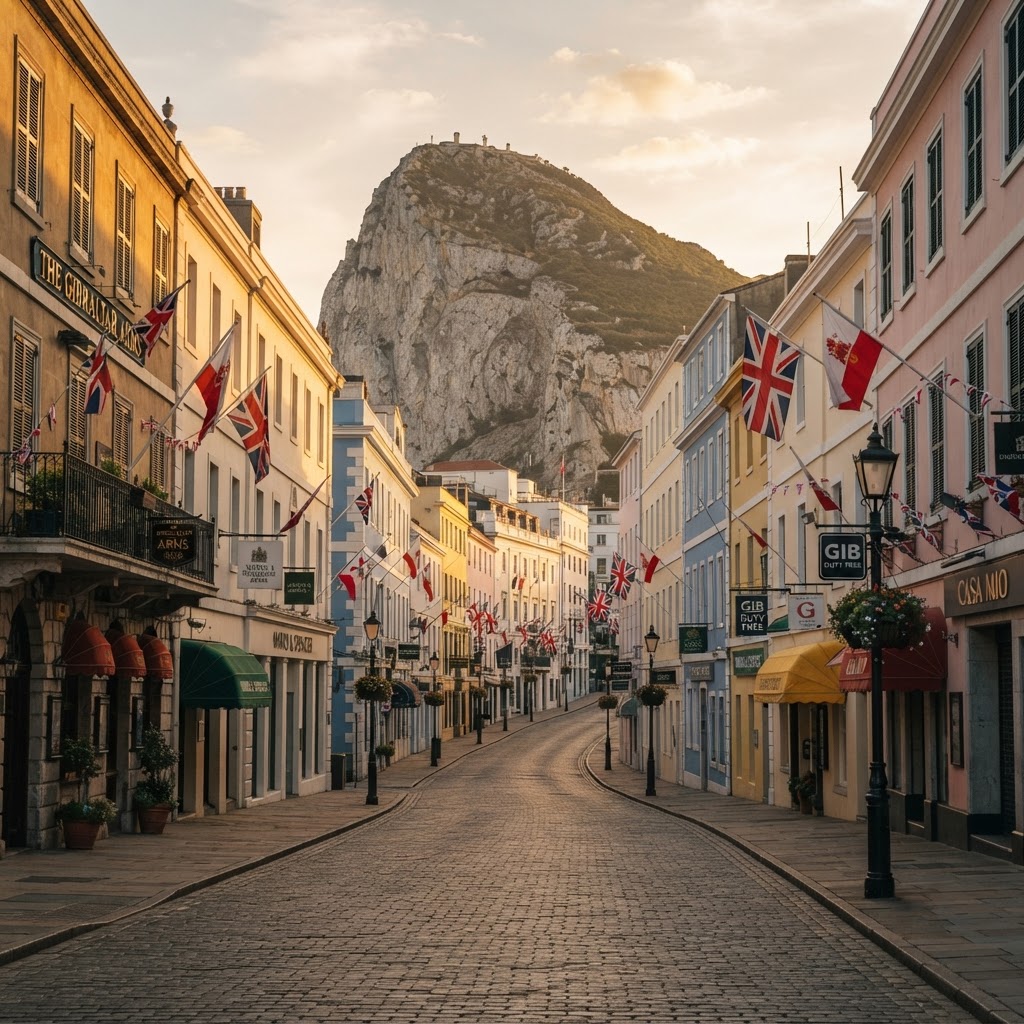
For 118 years, a fence has stood at La Verja — the line where Gibraltar meets Spain. It was erected in 1908, a physical marker of the boundary between a British Overseas Territory and the Kingdom of Spain. For most of that time, it was more than a line on a map: it was a symbol — of sovereignty disputes, of Cold War tensions, and of a community divided.
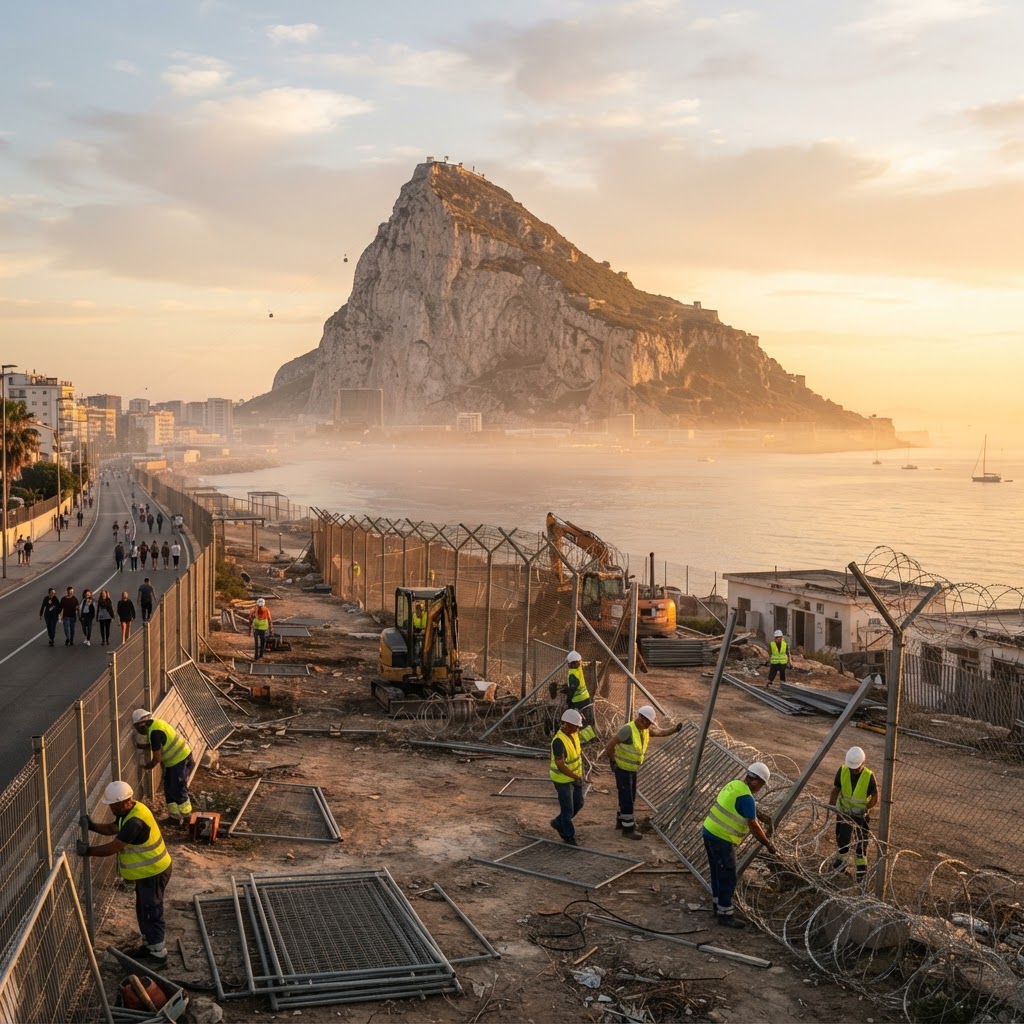
Now, that fence is being torn down. In the weeks before the 15 July 2026 deadline, machinery worked through the nights, dismantling sections of the barrier. By dawn on the 15th, the frontier that defined eight generations of Gibraltarians will be gone.
The Blockade: 13 Years of Isolation
To understand what the new treaty means, you have to understand what came before. The most notorious chapter in Gibraltar's modern history began in 1969, when Spain's dictator Francisco Franco closed the border entirely in response to a Gibraltar referendum on sovereignty.
The blockade was total. Families were separated. Spanish workers could not enter Gibraltar. Gibraltarians could not visit relatives in Spain. The frontier — once a busy crossing point — became a dead line, guarded and silent.
The blockade lasted 13 years, ending only in 1982, long after Franco's death and the transition to democracy in Spain. Even then, the fence remained, and with it the checks, the queues and the friction that defined daily life on the Rock.
Brexit: A New Threat
When the UK voted to leave the EU in 2016, Gibraltar voted overwhelmingly to remain — 96% of Gibraltarians chose Remain, the highest Remain share anywhere in the UK or its territories. That stance was driven by two fears: that Brexit would encourage Spanish sovereignty claims, and that it would disrupt Gibraltar's close trade relationship with the EU in shipping, online gaming and financial services.
When Gibraltar was left out of the UK-EU Trade and Cooperation Agreement, those fears looked justified. The prospect of a "hard border" — with onerous checks and long delays for the 15,000 people who cross daily — loomed over the Rock. A decade of negotiations followed, involving Gibraltar, Spain, the UK and the EU.
The Treaty: From Blockade to Open Frontier
The treaty signed on 14 July 2026 in Brussels is, in many ways, the opposite of the 1969 blockade. Where Franco closed the border to make a political point, this agreement opens it — carefully, negotiated, and mutually beneficial.
Gibraltar aligns with the EU customs union and the Schengen free-travel zone. The fence comes down. Controls move to Gibraltar's airport and seaport, where Spanish officials conduct EU checks alongside Gibraltar's own screening. The EU's EES biometric system does not apply at the land border — a major relief for the thousands of daily commuters.
Chief Minister Fabian Picardo, whose office overlooks the Rock, calls it "a new dawn". Spain's foreign minister José Manuel Albares speaks of "a new era". For the mayor of La Línea, Juan Franco, it's the end of a border that has held back his town since 1908.
Two Sides of the Same Story
The human impact is clearest across the frontier. La Línea de la Concepción has unemployment close to 30% in a struggling Andalusian economy, while Gibraltar has one of the highest per capita incomes in the world. A third of an average company's income in La Línea comes from clients in Gibraltar.
The removal of the border is expected to redress some of that imbalance — facilitating the flow of people, encouraging investment, and binding two communities that have always been connected despite the fence. For commuters like Shilpi Chotrani, who rides her bicycle across each morning, it's simple: "This should have been done a long time ago."
What the Future Holds
The treaty is not the end of the story. Gibraltar must now adapt to EU regulations on goods and a new transaction tax replacing import duty. Some price advantages may narrow. Businesses face new paperwork. The UK and European Parliaments still need to ratify the agreement fully.
But the symbolic shift is enormous. From a 1969 blockade to a borderless 2026, Gibraltar's relationship with Spain has turned full circle. The fence that stood for 118 years is gone, and the Rock faces its neighbours — and the world — open and free.
Discover Gibraltar's Story
Want to dig deeper into the Rock's past? Explore our Historical Sites guide, read more Insights & Facts, learn the local Llanito language, or browse our full blog. For everything practical, start with our Gibraltar FAQ.
Frequently Asked Questions
When was the Gibraltar border fence built?
The fence at La Verja was erected in 1908, making it 118 years old when it was removed under the 2026 UK-EU treaty.
How long did the Franco blockade last?
Spain's dictator Francisco Franco closed the border in 1969. The blockade lasted 13 years, ending in 1982 — well after Franco's death and Spain's transition to democracy.
Does the new treaty change Gibraltar's sovereignty?
No. The treaty safeguards British sovereignty over Gibraltar and protects UK military facilities. Sovereignty is unchanged.
Why did Gibraltar vote Remain in 2016?
96% of Gibraltarians voted to remain in the EU, driven by concerns about Spanish sovereignty claims and the disruption Brexit could cause to Gibraltar's trade with the EU.
Enjoying this guide?
Get the best of Gibraltar in your inbox each week — tips, new spots, and events. No spam, unsubscribe anytime.
Quick answers
What the Future Holds▼
The treaty is not the end of the story. Gibraltar must now adapt to EU regulations on goods and a new transaction tax replacing import duty. Some price advantages may narrow. Businesses face new paperwork. The UK and European Parliaments still need to ratify the agreement fully.
When was the Gibraltar border fence built?▼
The fence at La Verja was erected in 1908, making it 118 years old when it was removed under the 2026 UK-EU treaty.
How long did the Franco blockade last?▼
Spain's dictator Francisco Franco closed the border in 1969. The blockade lasted 13 years, ending in 1982 — well after Franco's death and Spain's transition to democracy.
Does the new treaty change Gibraltar's sovereignty?▼
No. The treaty safeguards British sovereignty over Gibraltar and protects UK military facilities. Sovereignty is unchanged.
Why did Gibraltar vote Remain in 2016?▼
96% of Gibraltarians voted to remain in the EU, driven by concerns about Spanish sovereignty claims and the disruption Brexit could cause to Gibraltar's trade with the EU.
Explore more on Gibraltar Unlocked
Daniel Toledo
FounderGibraltar-based writer and founder of Gibraltar Unlocked. Covering local food, travel, history and life on the Rock since 2023. Also builds web apps at instatales.ai.