☀️ Gibraltar heat warning — stay safe on the Rock
Summer temperatures regularly exceed 30°C with high humidity. Follow local advice, stay cool and hydrated, carry water (refill free at Casemates Square), avoid the Upper Rock between 12:00–16:00, and use sun protection (hat, sunglasses, SPF 30+). If you feel dizzy or stop sweating, seek shade and fluids immediately.
Full guide: How to cool down in Gibraltar →Key takeaways
- 1.Quick TL;DR Summary Feeding the macaques is illegal and carries fines of up to £4,000 — even unintentionally through visible food Do not bring plastic bags, exposed food, or open drinks near the animals Best viewing spots: Apes' Den (most reliable) and the summit cable car area Morning visits (before 11am) give the best wildlife experience when animals are most active Calm, slow movements and no direct staring are the key to safe, enjoyable encounters Why the Rules Exist (And Why They Matter) Every single tourist visiting Gibraltar wants to see the Barbary Macaques.
- 2.Every year, a significant proportion of them do something they shouldn't — usually feeding the animals, usually with the best intentions — and create real problems.
- 3.They associate humans and bags with food and start snatching.
Quick TL;DR Summary
- Feeding the macaques is illegal and carries fines of up to £4,000 — even unintentionally through visible food
- Do not bring plastic bags, exposed food, or open drinks near the animals
- Best viewing spots: Apes' Den (most reliable) and the summit cable car area
- Morning visits (before 11am) give the best wildlife experience when animals are most active
- Calm, slow movements and no direct staring are the key to safe, enjoyable encounters
Why the Rules Exist (And Why They Matter)
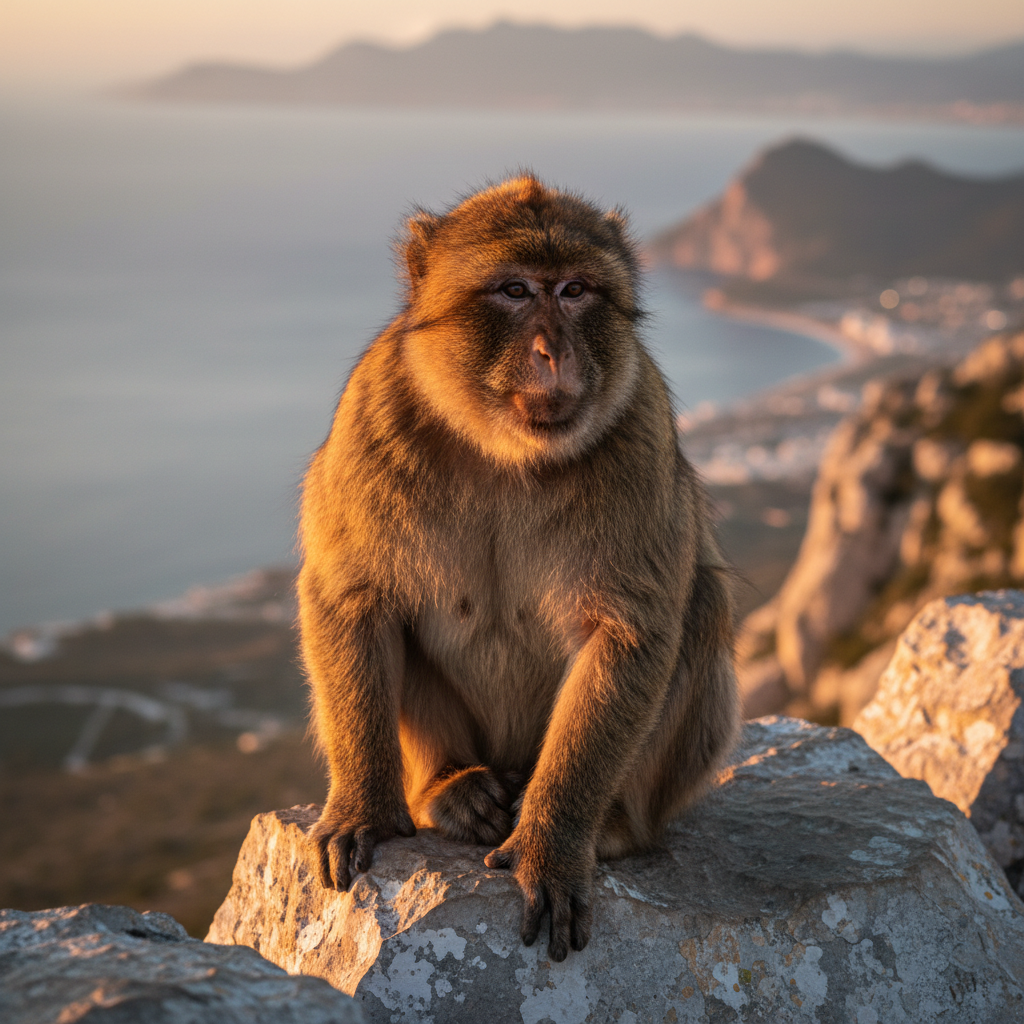
Every single tourist visiting Gibraltar wants to see the Barbary Macaques. Every year, a significant proportion of them do something they shouldn't — usually feeding the animals, usually with the best intentions — and create real problems. Macaques that are fed by visitors become food-aggressive. They lose their natural foraging behaviour. They associate humans and bags with food and start snatching. Bites happen. The animals' health deteriorates from inappropriate food.
Gibraltar's government takes this seriously. The £4,000 fine for feeding the macaques is not theoretical — wardens patrol the Upper Rock and enforce the rules. This guide tells you exactly how to have a brilliant, safe encounter without inadvertently causing harm or attracting a penalty.
The £4,000 Fine: What Counts as Feeding?
The legal prohibition covers deliberately feeding the macaques. But the practical rule enforced on the ground is broader: do not produce food in the presence of the macaques. Here's what that means in practice:
- Offering food directly: obviously illegal
- Dropping food near them: illegal
- Having a picnic or eating a snack nearby: risks attracting the animals and can lead to enforcement action
- Allowing a child to hold food near macaques: likely to result in the food being grabbed, which distresses the child and reinforces the animals' food-seeking behaviour
The safest approach: consume all food and drink before entering the macaque areas, and put all food packaging in bins before encountering the animals.
What NOT to Bring Into the Macaque Areas
Macaques are extraordinarily intelligent and opportunistic. They have learned to recognise the visual and auditory cues of food — not just the smell. Here is what their experience tells us about what attracts unwanted attention:
- Plastic bags (any colour or size): The rustling sound of plastic bags is strongly associated with food. Macaques will attempt to grab plastic bags regardless of their contents. Leave shopping bags at the taxi or cable car station.
- Open water bottles or drinks cans: Liquid interest from macaques is lower than food, but bottles can be snatched. Use a lidded refillable bottle in a closed bag pocket.
- Visible food packaging: Even an empty crisp packet or wrapper that smells of food will attract attention. Dispose of all packaging before entering the macaque zones.
- Shiny objects: Macaques are curious about reflective objects. Jewellery is fine but be aware that watches, phones and cameras may receive close inspection.
- Open bags: This is critical. Zip everything. A macaque can open a standard rucksack zip in seconds. Use a bag with clip or combination closures for additional security.
The Essential Packing List for the Upper Rock
- Closed rucksack with secure zips (no tote bags, no open carriers)
- Sunscreen applied before you leave — not in a loose bottle in your bag
- Water in a closed lidded bottle, stored inside your bag
- Camera or phone (fine, but be prepared for it to be inspected at close range)
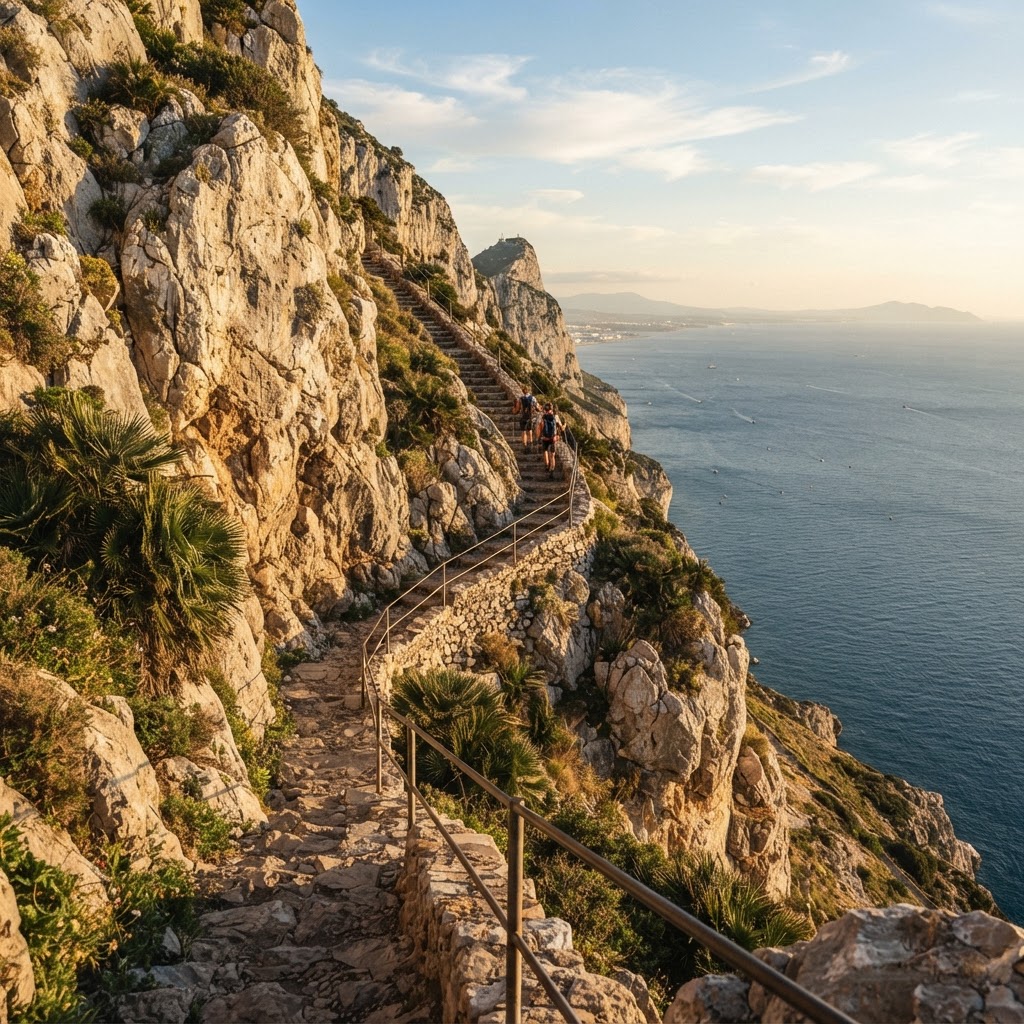
- Comfortable shoes with grip — the Upper Rock paths are uneven
- A light layer — the summit can be significantly cooler than town, and the Levante wind is strong
Where to Find the Macaques
The Apes' Den (Most Reliable)
The best-known and most reliably populated spot. Located on Queen's Road, roughly halfway up the Rock. Taxis always stop here. At least one troop — sometimes two — is almost always present. Best for close-up encounters with animals that are accustomed to visitors.
The Summit / Cable Car Station Area
The top of the Rock has a troop that roams freely around the viewing platforms and cable car station. These animals are often very comfortable with people and will come extremely close. Keep bags very secure here.
Queen's Road and Nature Reserve Paths
Hiking through the Upper Rock gives the most natural sightings — troops moving through scrubland, foraging, grooming and playing without the concentration of tourist activity. These encounters are often the most memorable.
Reading Macaque Body Language
Barbary Macaques communicate clearly if you know what to look for:
- Yawning widely (showing teeth): This is a threat display, not friendliness. The animal is stressed or warning you off. Back away slowly.
- Lip-smacking: A friendly, appeasement signal. The animal is comfortable with your presence.
- Rapid head-bobbing: Agitation or mild threat. Create space between you and the animal.
- Grooming behaviour: The animals are relaxed and content. Perfect time for quiet observation.
- A juvenile approaching you: Fine to observe from a distance, but don't reach out or crouch to their level — the mother will be watching closely.
If a Macaque Approaches You
- Stay calm and still. Sudden movements trigger alarm responses.
- Do not make eye contact for extended periods — direct staring is interpreted as a challenge.
- If one climbs on you (it happens), remain calm, avoid sudden movements, and let it explore briefly before it loses interest and moves on.
- If one grabs your bag, let go. Do not pull back — this escalates to a bite. Wait calmly; they lose interest quickly once they find no food.
- Report any bite to a Gibraltar health centre — post-exposure treatment is available and recommended.
The Best Times to Visit
- Early morning (8–11am): Most active. Natural light is best for photography. Less crowded.
- Spring (April–May): Baby season. Mothers carry newborns and behaviour is fascinating to observe.
- Avoid midday in summer: The animals rest in shade. Far fewer sightings and uncomfortably hot for visitors too.
For more on the Upper Rock and Gibraltar's nature, see our full Barbary Macaques guide or explore our things to do in Gibraltar.
Enjoying this guide?
Get the best of Gibraltar in your inbox each week — tips, new spots, and events. No spam, unsubscribe anytime.
Quick answers
The £4,000 Fine: What Counts as Feeding?▼
The legal prohibition covers deliberately feeding the macaques. But the practical rule enforced on the ground is broader: do not produce food in the presence of the macaques. Here's what that means in practice:
What NOT to Bring Into the Macaque Areas▼
Macaques are extraordinarily intelligent and opportunistic. They have learned to recognise the visual and auditory cues of food — not just the smell. Here is what their experience tells us about what attracts unwanted attention:
Explore more on Gibraltar Unlocked
Daniel Toledo
FounderGibraltar-based writer and founder of Gibraltar Unlocked. Covering local food, travel, history and life on the Rock since 2023. Also builds web apps at instatales.ai.